
Read about online trading for even a week, and the name Immediate Bitwave will likely appear. It shows up in forums, roundups, and beginner guides, usually with no real explanation. So the honest first question is simple: what is it, and why does everyone keep mentioning it? Let us slow down and look properly. Here is what the platform is, how it feels to use from day to day, and where it stands among the many tools fighting for a new trader’s attention.
A Name That Keeps Showing Up
Timing explains a lot of the buzz. People are curious about automated, data-driven tools right now, and beginners naturally search for whatever sounds friendly. The same taste for fast, tidy platforms reaches far past finance. You see it in streaming apps, food delivery, and online casinos such as thorfortune, where clean design and instant feedback now feel normal. Trading software is only catching up to what people already expect elsewhere.
So when a tool offers to turn messy market data into a clear dashboard, it earns a second look. Immediate Bitwave makes exactly that pitch. Whether it fits you is a different matter — and one you should answer calmly, not in the heat of a sign-up screen.
What Immediate Bitwave Actually Is
Immediate Bitwave is a web-based platform that pulls market information into one place. Rather than switching between charts and news feeds, you see prices, trends, and suggested signals on a single screen. The goal is to make trading feel less intimidating for people who are still finding their feet.
It helps to know what the platform gives you and what it still expects from you. The table below sorts out the parts most newcomers ask about.
| Element | What it offers | Why beginners notice it |
| Dashboard | One view of prices and trends | Less hopping between tabs and apps |
| Signals | Prompts based on market data | A starting point when you feel unsure |
| Settings | Adjustable risk and activity levels | Some say over pace and exposure |
| Support | Guides and account help | Reassurance while you learn |
None of this thinks for you. The platform tidies the information, and you still make the calls. That distinction matters more than it first sounds. Software can sort prices, highlight patterns, and speed up the dull parts of research, but it cannot know your goals, your budget, or how a loss would feel in a rough week. Those judgments stay with you, and they are usually the ones that shape the outcome.
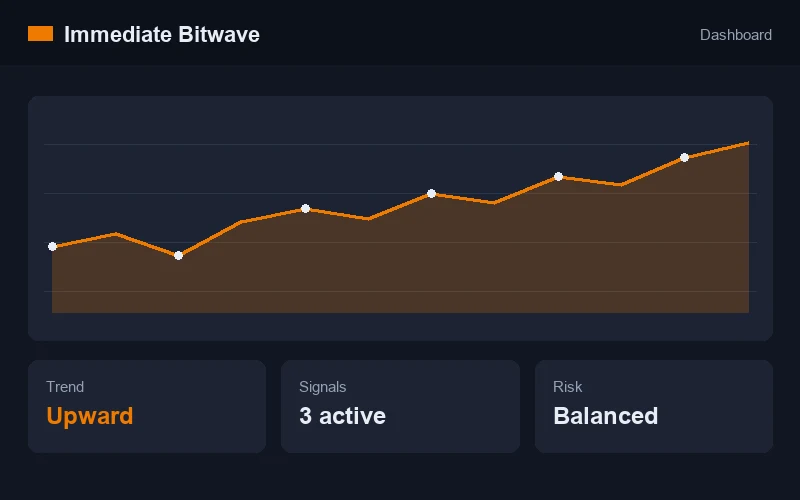
Inside the Platform Its Everyday Tools and Signals
You learn far more by using the platform than by reading about it. The layout keeps things clear, and most features sit a click or two away. For anyone easing in, that calm matters more than a long menu of advanced options.
A few simple habits make the first days smoother:
- Explore the dashboard first, with nothing at risk.
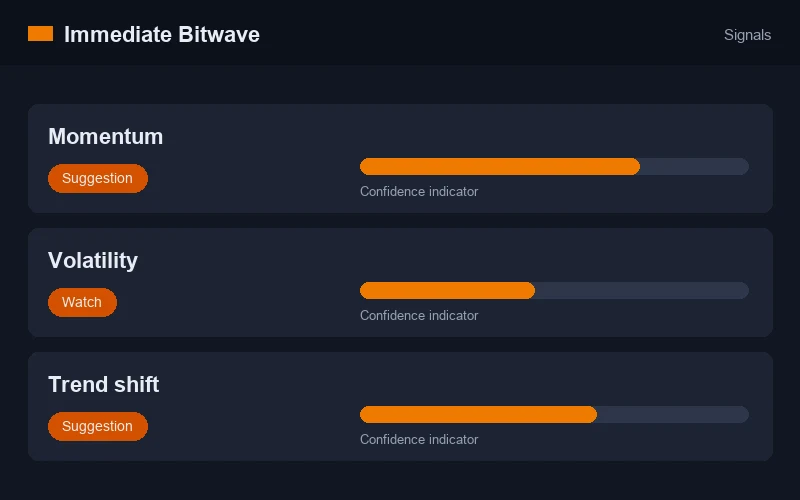
- Read each signal as a suggestion, never an order.
- Set your risk level to match what you can afford to lose.
- Note what you tried and why.
- Stop when a session feels stressful instead of interesting.
- Revisit your settings once you know how the tools behave.
Signals are what people ask about most. The platform draws them from market data to flag moments worth a look. Use them to sharpen your own thinking, and they help. Trust them as promises, and they will let you down.
A good platform should quiet the noise, not add to it. If a tool leaves you calmer and better informed, it is doing its job.
Where Automated Tools Meet Digital Entertainment
Step back, and it is easy to see why these platforms feel familiar so fast. Modern trading tools borrow their look from digital entertainment — bright dashboards, live updates, and a sense that something is always in motion.
That likeness comes with a quiet warning. Screens built to hold your attention can blur the line between a thought-out decision and an impulsive one. The table below does not equate trading with games. It just points to shared instincts.
| Shared trait | In entertainment platforms | On a trading platform |
| Instant feedback | Scores and rewards | Live price movement |
| Easy re-entry | One tap to play again | One tap to trade again |
| Momentum | “Just one more round” | “Just one more position” |
Noticing these patterns is not a reason to avoid the tools. The most useful skill on any fast platform is knowing how to pause — speed is the last thing you need when money is on the line. A short break before you act is often enough to tell a considered move apart from a reflex. So use these tools with your eyes open, and let the design work for you rather than on you.
Getting Comfortable Before You Commit
Nobody wins a prize for rushing. The people who get the most from Immediate Bitwave treat the first weeks as learning, not earning. They test small, ask questions, and let understanding grow before raising the stakes. There is real value in that slow start. Every quiet session teaches you how the platform reacts, and that knowledge is far cheaper to gather now than during a trade that actually counts.
A steady start usually beats an eager one, and a short checklist keeps you honest:
- Make sure you understand the general risks of trading.
- Explore the platform fully before you fund an account.
- Set limits you will still respect on a bad day.
- Keep your hopes modest and your timeframe realistic.
- Ask for help early, not after a costly slip.
Comfort grows from familiarity. Once the dashboard stops looking foreign and the signals stop sounding like commands, you are far better placed to judge whether the platform deserves a lasting spot in your routine.
Patience is not the exciting part of trading. It is usually the part that keeps people in the game.
Immediate Bitwave is neither a shortcut nor a trap. It organizes information and hands the real choices back to you. Seen that way — a companion, not an oracle — it can make the first stretch of trading feel less overwhelming. Take your time, stay curious, and let your confidence build at its own pace.